From Idea to Success: The Ultimate Guide to Starting a Profitable Startup

Startup
Are you ready to turn your innovative idea into a successful startup? Starting a new business can be an exciting, yet challenging journey, and it’s easy to get overwhelmed by the number of tasks at hand. But, with proper planning and execution, you can transform your idea into a profitable business. In this guide, we’ll take you through the step-by-step process of starting a profitable startup. From researching your market and developing a solid business plan to securing funding and building a strong team, we’ll provide you with all the essential elements needed to transform your idea into a thriving business. So, whether you’re starting a tech company or a small business, this guide is your ultimate resource to success.
The Importance of Having a Solid Business Idea
Before starting a startup, it’s essential to have a solid business idea. A business idea is the foundation of any startup; it’s what separates a successful business from a failed one. A solid business idea should solve a problem, satisfy a need, or create a new market. It should be something that people are willing to pay for.
To come up with a solid business idea, you need to identify a problem that needs solving or a need that needs satisfying. This could be anything from a new product or service that doesn’t exist yet to a better solution to an existing problem. Once you have identified the problem or need, you need to brainstorm ideas that could solve the problem or satisfy the need. You can also conduct market research to see what other businesses are doing and what they’re not doing. This will give you a better idea of what the market needs and how you can fill the gap.
Once you have a list of potential ideas, it’s time to evaluate them. Assess each idea based on its feasibility, profitability, and scalability. Eliminate the ideas that don’t meet these criteria and focus on the ones that do. This process will help you narrow down your options and choose the best idea for your startup.
Conducting Market Research
Market research is a crucial step in starting a successful startup. It helps you understand your target market, their needs, and the competition. Without market research, you might end up creating a product or service that nobody wants or needs.
To conduct market research, you need to identify your target market. This could be based on demographics such as age, gender, income, or location. Once you have identified your target market, you need to gather data about their needs, preferences, and behavior. This could be done through surveys, interviews, or focus groups.
You also need to research your competition. Analyze their strengths and weaknesses, their pricing strategy, their marketing strategy, and their target market. This will help you identify gaps in the market that your startup can fill.
Creating a Business Plan
A business plan is a roadmap that outlines your startup’s goals, strategies, and tactics. It helps you clarify your business idea, identify your target market, and plan for the future. A well-written business plan is essential for securing funding, attracting investors, and guiding your startup’s growth.
A business plan should include the following sections:
- Executive Summary: A brief overview of your business idea, target market, and goals.
- Company Description: A detailed description of your startup, including its mission, vision, and values.
- Market Analysis: A detailed analysis of your target market, including its size, demographics, needs, and behavior.
- Product or Service Line: A description of your product or service, including its features, benefits, and pricing strategy.
- Marketing and Sales Strategy: A detailed plan for promoting and selling your product or service.
- Funding and Financial Projections: A breakdown of your startup’s expenses, revenue, and funding needs.
- Management and Personnel: A description of your team, their roles, and their responsibilities.
- Appendix: Any additional information that supports your business plan, such as market research data or financial statements.
Funding Your Startup
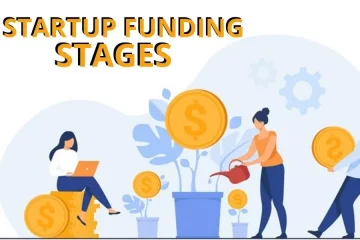
Funding is a critical factor in starting a successful startup. You need money to develop your product or service, hire employees, and market your business. There are several ways to fund your startup, including bootstrapping, crowdfunding, angel investors, venture capitalists, and loans.
Bootstrapping is when you fund your startup with your own money. This is a great option if you have savings, a part-time job, or a side hustle. Crowdfunding is when you raise money from a large group of people through online platforms like Kickstarter or Indiegogo. This is a great option if you have a unique product or service that people are interested in.
Angel investors are wealthy individuals who invest in startups in exchange for equity. They are often entrepreneurs themselves and can provide valuable advice and mentorship. Venture capitalists are investors who provide funding to startups that have high growth potential. They often invest in startups that are in the seed or early-stage phase.
Loans are another option for funding your startup. You can get a loan from a bank or a financial institution. However, you need to have a good credit score and a solid business plan to qualify for a loan.
Building a Team
Building a strong team is crucial for the success of your startup. You need to surround yourself with people who share your vision, have the skills and expertise needed for your business, and are committed to your startup’s success. It’s important to hire people who are passionate about your business and are willing to work hard.
When building a team, it’s important to identify the roles and responsibilities needed for your startup. This could include a CEO, a CTO, a CFO, a marketing manager, a sales manager, and so on. You also need to determine the skills and expertise needed for each role.
You can find potential team members through networking events, job boards, or social media. It’s important to interview candidates thoroughly and check their references before hiring them. You can also hire freelancers or outsource certain tasks to save money.
Developing a Minimum Viable Product (MVP)
A minimum viable product (MVP) is a basic version of your product or service that you can test with your target market. It’s a way to validate your business idea and gather feedback from potential customers before investing too much time and money into developing your product or service.
To develop an MVP, you need to identify the core features of your product or service that solve the problem or satisfy the need. You then need to develop a prototype or a mockup of your product or service. This could be a simple website, a landing page, or a physical product.
Once you have developed your MVP, you need to test it with your target market. Gather feedback from potential customers and use it to improve your product or service. This process will help you refine your business idea and ensure that you’re creating something that people want.
Testing and Validating Your Product
Testing and validating your product is a crucial step in starting a successful startup. It’s important to ensure that your product or service meets the needs of your target market, is user-friendly, and has a competitive advantage.
To test and validate your product, you need to conduct user testing. This could be done through surveys, interviews, or focus groups. You also need to test your product’s functionality, reliability, and usability.
You should also analyze your competitors and see how your product or service compares. Identify what makes your product or service unique and why customers would choose it over your competitors.
Launching Your Startup
Launching your startup is an exciting and nerve-wracking experience. It’s important to have a solid launch strategy that includes marketing, sales, and customer support. Your launch strategy should create buzz around your product or service and generate excitement among your target market.
To launch your startup, you need to create a marketing plan. This could include social media marketing, content marketing, email marketing, and paid advertising. You also need to have a sales strategy in place, including pricing, sales channels, and customer acquisition.
Customer support is also crucial during the launch phase. You need to be available to answer any questions or concerns that your customers may have and provide excellent customer service.
Marketing and Promoting Your Startup
Marketing and promoting your startup is an ongoing process. It’s important to create a strong brand identity and a consistent message across all marketing channels. Your marketing strategy should be tailored to your target market and their needs.
To market and promote your startup, you need to create a marketing plan that includes social media marketing, content marketing, email marketing, and paid advertising. You should also attend networking events, conferences, and trade shows to promote your business.
Word of mouth is also a powerful marketing tool. Encourage your customers to refer their friends and family to your business. You can also offer incentives or discounts for referrals.
Scaling Your Startup
Scaling your startup is the process of growing your business beyond the initial startup phase. It’s important to have a solid growth strategy that includes expanding your customer base, increasing revenue, and hiring more employees.
To scale your startup, you need to analyze your business model and identify areas for growth. This could include expanding your product or service line, entering new markets, or partnering with other businesses.
You also need to have a solid financial plan in place. This could include securing funding from investors or taking out a loan. You need to ensure that you have enough cash flow to support your growth and expansion.
Common Mistakes to Avoid
Starting a startup can be challenging, and there are many common mistakes that entrepreneurs make. These mistakes can lead to failure and can be costly. Some common mistakes to avoid include:
- Not conducting market research
- Not having a solid business plan
- Not focusing on your target market
- Not managing cash flow effectively
- Not hiring the right team members
- Not adapting to changes in the market
Success Stories of Startups
Learning from successful startups can provide valuable insights and inspiration. Some of the most successful startups include:
- Airbnb: A platform that connects travelers with hosts who rent out their homes or apartments.
- Slack: A messaging platform for teams that helps streamline communication and collaboration.
- Uber: A ride-sharing platform that connects passengers with drivers through a mobile app.
- Dropbox: A cloud storage platform that allows users to store and share files online.
- Instagram: A social media platform that allows users to share photos and videos.
Conclusion
Starting a startup is an exciting and challenging journey. It takes hard work, dedication, and a solid plan to turn your idea into a successful business. By following the steps outlined in this guide, you can overcome the challenges of starting a business and achieve your goals. Remember to conduct market research, create a solid business plan, secure funding, build a strong team, develop an MVP, test and validate your product, launch your startup, market and promote your business, and scale your startup. With persistence and determination, you can turn your startup into a profitable business.