Revamp Your Home with Smart Appliances: The Future of Home Technology
Home Technology | aptuse
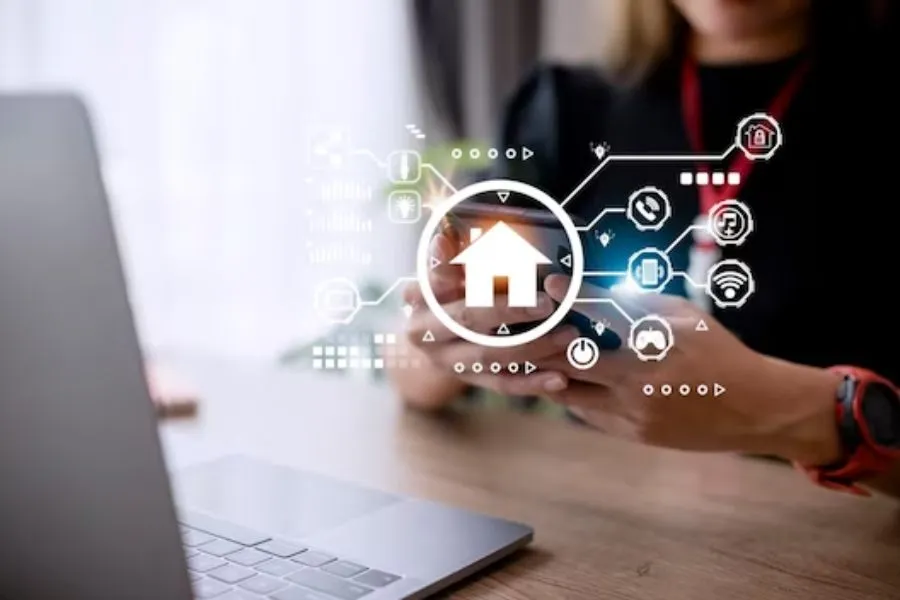
Are you tired of living in a home that feels outdated and lacks modern technology? It’s time to revamp your living space with smart appliances! The future of home technology is here, and it’s more exciting than ever. From intelligent thermostats that learn your habits to voice-controlled kitchen appliances, the possibilities are endless. Not only can these devices make your daily routines more efficient, but they can also save you money on energy bills. Imagine being able to control your entire home with just a few taps on your smartphone or with your voice. With the rise of smart homes, it’s easier than ever to turn your house into a futuristic oasis. So, why wait? Join the revolution of smart home technology and start enjoying the convenience and comfort it brings. In this article, we’ll explore the benefits of smart appliances and how they can transform your home.
Benefits of using smart appliances
Smart appliances are designed to make your life easier and more convenient. They are equipped with advanced technology that allows them to connect to the internet, communicate with other devices, and learn your habits and preferences. Here are some of the benefits of using smart appliances in your home:
1. Increased Efficiency
Smart appliances are designed to be more efficient than traditional appliances. They can learn your habits and adjust their settings accordingly, which can help you save money on energy bills. For example, a smart thermostat can learn when you’re home and when you’re away, and adjust the temperature accordingly to save energy.
2. Convenience
Smart appliances can be controlled remotely using a smartphone app or voice commands. This means you can turn on the lights, adjust the thermostat, or start the dishwasher from anywhere, at any time. This can be especially useful when you’re away from home and want to make sure everything is running smoothly.
3. Improved Safety
Smart appliances are designed with safety in mind. For example, a smart oven can automatically turn off if it detects a problem, such as a gas leak or overheating. A smart smoke detector can send you an alert on your phone if it detects smoke or carbon monoxide in your home.
Smart home technology statistics
Smart home technology is rapidly growing in popularity, and it’s not hard to see why. Here are some statistics that demonstrate the rise of smart home technology:
- The smart home market is expected to reach $135 billion by 2025.
- 57% of smart home owners say that smart home technology saves them time.
- 45% of smart home owners say that smart home technology saves them money.
- 81% of smart home owners say that smart home technology gives them peace of mind.
How smart appliances work
Smart appliances work by connecting to the internet and communicating with other devices in your home. They can be controlled using a smartphone app, voice commands, or a smart home automation system. Here’s a brief overview of how smart appliances work:
1. Internet Connectivity
Smart appliances are equipped with Wi-Fi or Bluetooth technology, which allows them to connect to the internet.
2. Communication
Smart appliances can communicate with other devices in your home, such as your smartphone or your smart home automation system. They can also communicate with each other, which allows them to work together to make your home more efficient.
3. Control
Smart appliances can be controlled remotely using a smartphone app or voice commands. This means you can turn on the lights, adjust the thermostat, or start the dishwasher from anywhere, at any time.
Revamping your home with smart appliances
Revamping your home with smart appliances is easier than you might think. Here are some tips for getting started:
1. Identify Your Needs
Think about the areas of your home that could benefit from smart technology. Do you want to automate your lighting? Control your thermostat remotely? Or maybe you want a voice-controlled assistant in your kitchen? Identify your needs and prioritize them.
2. Choose Your Devices
Once you’ve identified your needs, choose the smart appliances that will help you achieve your goals. There are a wide variety of smart appliances available, from smart thermostats to smart refrigerators. Choose the devices that are right for you.
3. Install and Set Up
Once you’ve chosen your devices, it’s time to install and set them up. This may involve hiring a professional, depending on the complexity of the installation. Follow the manufacturer’s instructions carefully to ensure that your devices are set up correctly.
Best smart appliances for your home
There are a wide variety of smart appliances available, each with their own unique features and benefits. Here are some of the best smart appliances for your home:
1. Smart Thermostats
A smart thermostat can learn your habits and adjust the temperature accordingly to save energy. They can be controlled remotely using a smartphone app, and some models can even be controlled using voice commands.
2. Smart Lighting
Smart lighting allows you to control your lights remotely using a smartphone app or voice commands. You can also set schedules and automate your lighting to save energy.
3. Smart Speakers
Smart speakers, such as the Amazon Echo or Google Home, can act as a voice-controlled assistant in your home. You can use them to play music, set reminders, and control other smart devices.
4. Smart Appliances
Smart appliances, such as refrigerators, ovens, and washing machines, can be controlled remotely using a smartphone app. Some models can even learn your habits and adjust their settings accordingly.
Smart home automation systems
Smart home automation systems allow you to control all of your smart devices from a single app. They can be customized to suit your needs and preferences, and can even be programmed to automate certain tasks. Here are some popular smart home automation systems:
1. Amazon Alexa
Amazon Alexa is a voice-controlled assistant that can be used to control a wide variety of smart devices. It can be integrated with other smart home automation systems, such as Samsung SmartThings and Philips Hue.
2. Google Assistant
Google Assistant is a voice-controlled assistant similar to Amazon Alexa. It can be used to control a wide variety of smart devices, and can be integrated with other smart home automation systems, such as Nest and SmartThings.
3. Apple HomeKit
Apple HomeKit is a smart home automation system that is designed to work with Apple devices. It allows you to control a wide variety of smart devices using your iPhone, iPad, or Apple Watch.
Future of home technology
The future of home technology is exciting and full of possibilities. Here are some trends that are shaping the future of smart homes:
1. Artificial Intelligence
Artificial intelligence is becoming more advanced, which means that smart appliances will be able to learn and adapt to our habits and preferences more effectively.
2. Internet of Things
The Internet of Things (IoT) is the concept of connecting everyday objects to the internet. This means that smart appliances will be able to communicate with each other more effectively, which will make our homes more efficient.
3. Augmented Reality
Augmented reality is becoming more popular, which means that we will be able to visualize how smart appliances will look in our homes before we buy them.
Challenges of using smart appliances
While smart appliances offer many benefits, there are also some challenges to consider. Here are some of the challenges of using smart appliances:
1. Security
Smart appliances are connected to the internet, which means that they can be vulnerable to hacking. It’s important to choose devices from reputable manufacturers and to keep them up-to-date with the latest security patchesto protect your home.
2. Compatibility
Not all smart appliances are compatible with each other, which can make it difficult to create a cohesive smart home automation system. It’s important to do your research and choose devices that are compatible with each other.
3. Cost
Smart appliances can be more expensive than traditional appliances, which can be a barrier for some homeowners. However, the long-term savings on energy bills and the convenience they offer can make them a worthwhile investment.
Conclusion
Revamping your home with smart appliances is a great way to bring your living space into the future. The benefits of smart appliances are clear: increased efficiency, convenience, and improved safety. With so many smart appliances available, it’s easy to find the devices that are right for you and your home. Smart home technology is rapidly growing in popularity, and it’s not hard to see why. The future of home technology is exciting and full of possibilities, and smart appliances are just the beginning. So why wait? Start exploring the world of smart appliances today and transform your home into a futuristic oasis.