Revolutionizing the Future: How Software is Changing the World
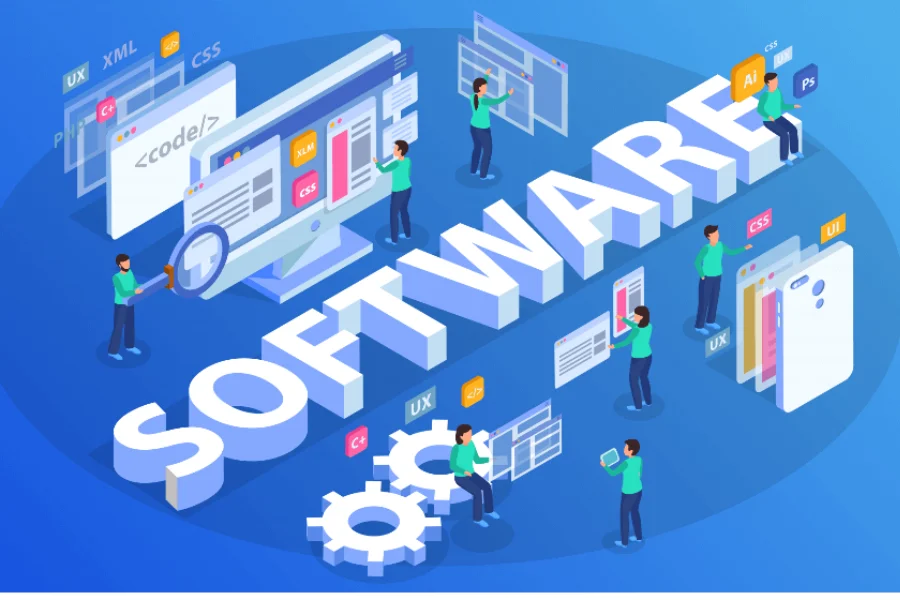
Software | Aptuse
The world we live in today is vastly different from what it was just a few decades ago. With the advent of technology and the internet, we have seen an unprecedented level of growth and development in every sphere of life. One area that has seen a significant transformation is the software industry. The rise of software has revolutionized the way we live, work, and interact with each other. From smartphones to social media, from self-driving cars to online shopping, software has become an integral part of our lives. In this article, we will explore how software is changing the world and shaping the future of humanity. We will delve into the latest trends and developments in software technology and discuss the impact it is having on various industries and sectors. So, fasten your seat belts and get ready to take a ride into the exciting world of software and its unlimited possibilities.
The Impact of Software on Society
Software has had a significant impact on society. It has transformed the way we communicate, work, and entertain ourselves. Social media platforms like Facebook, Twitter, and Instagram have become an integral part of our daily lives. They have changed the way we interact with each other, making it easier to connect with people from different parts of the world. Software has also made it possible for us to work remotely and collaborate with colleagues from different locations. This has led to increased productivity and efficiency in the workplace.
Moreover, software has transformed the way we shop and consume products. Online shopping has become more prevalent than ever before, with e-commerce platforms like Amazon and Alibaba leading the way. Software has made it possible for us to buy products with just a few clicks, and have them delivered to our doorstep within days. This has led to a significant shift in the retail industry, with traditional brick-and-mortar stores struggling to keep up with the changing times.
However, software has also led to some negative impacts on society. Cyberbullying, fake news, and online harassment have become prevalent issues in today’s world. Social media platforms have been criticized for their role in spreading misinformation and hate speech. Moreover, the rise of automation and artificial intelligence has led to concerns about job loss and the future of work. As we look towards the future, it is essential to address these challenges and ensure that software is used for the betterment of society.
The Evolution of Software
The software industry has come a long way since its inception. In the early days of computing, software was primarily used for scientific and mathematical calculations. However, with the rise of personal computers in the 1980s, software became more accessible to the general public. The development of graphical user interfaces (GUIs) made it easier for people to interact with computers, leading to the rise of the software industry as we know it today.
In the 1990s, the internet became more prevalent, leading to the rise of web-based software. This led to the development of web browsers, email clients, and other online applications. The rise of mobile devices in the 2000s led to a new era in software development, with the development of mobile apps and operating systems like iOS and Android.
Today, software development is more accessible than ever before. The rise of open-source software has made it possible for developers to collaborate and share code, leading to faster development cycles and more robust software. Moreover, the development of cloud computing has made it possible for businesses to scale their software infrastructure quickly and efficiently.
The Future of Software: Trends and Predictions
The future of software is an exciting and rapidly evolving landscape. One of the most significant trends in software development is the rise of artificial intelligence (AI) and machine learning. AI has the potential to transform every industry, from healthcare to transportation, by automating tasks and providing insights that were previously impossible to obtain.
Moreover, the development of the Internet of Things (IoT) has led to a new era of software development. The IoT refers to the network of interconnected devices, sensors, and appliances that are connected to the internet. This has led to the development of smart homes, smart cities, and other interconnected systems that have the potential to revolutionize the way we live.
Another significant trend in software development is the rise of blockchain technology. Blockchain is a distributed ledger technology that enables secure and transparent transactions between parties. It has the potential to transform industries like finance, healthcare, and supply chain management by providing a secure and tamper-proof method of recording transactions.
Software in Healthcare
The healthcare industry has seen significant transformations due to software development. Electronic health records (EHRs) have made it possible for healthcare providers to access patient information quickly and efficiently. This has led to improved patient outcomes and a reduction in medical errors.
Moreover, software has enabled the development of telemedicine, which allows patients to receive medical care remotely. This has been particularly important during the COVID-19 pandemic, where social distancing has made it challenging to access medical care in person. Telemedicine has made it possible for patients to receive medical care from the comfort of their homes, leading to improved healthcare outcomes and reduced healthcare costs.
However, there are also concerns about the ethical considerations of software development in healthcare. The use of AI in healthcare raises concerns about data privacy, bias, and the potential for misuse. As we look towards the future, it is essential to address these concerns and ensure that software is used for the betterment of patient outcomes.
Software in Education
Software has transformed the way we learn and educate ourselves. Online learning platforms like Coursera, Udemy, and edX have made it possible for anyone to access high-quality education from anywhere in the world. This has led to increased access to education and improved outcomes for learners.
Moreover, software has enabled the development of personalized learning, which tailors education to the individual needs of students. This has led to improved engagement and better outcomes for students. However, there are also concerns about the potential for software to replace human teachers and the impact on the job market for educators.
Software in Finance
The finance industry has been transformed by software development. Online banking has become more prevalent than ever before, with customers able to access their accounts and perform transactions from anywhere in the world. Moreover, the development of financial software has enabled the automation of tasks like accounting and financial analysis, leading to increased efficiency in the workplace.
The rise of blockchain technology has also had a significant impact on the finance industry. Blockchain has the potential to transform the way we conduct financial transactions, providing a secure and transparent method of recording transactions.
However, there are also concerns about the potential for software to lead to job loss in the finance industry. As automation and AI continue to develop, it is essential to address these concerns and ensure that software is used for the betterment of society.
Software in Entertainment
Software has transformed the entertainment industry in numerous ways. Streaming services like Netflix and Amazon Prime have made it possible for people to watch their favorite movies and TV shows from anywhere in the world, at any time. Moreover, software has enabled the development of video games, virtual reality experiences, and other forms of interactive entertainment.
However, there are also concerns about the impact of software on the entertainment industry. The rise of piracy and illegal streaming has led to concerns about the financial viability of the industry. Moreover, there are concerns about the impact of violent video games and other forms of entertainment on society.
Software in Transportation
The transportation industry has been transformed by software development. The development of self-driving cars and other forms of autonomous transportation has the potential to revolutionize the way we travel. Moreover, software has enabled the development of ride-sharing services like Uber and Lyft, making it easier for people to get around in urban areas.
However, there are also concerns about the ethical considerations of software development in transportation. The development of autonomous vehicles raises concerns about safety, liability, and the impact on the job market for drivers. As we look towards the future, it is essential to address these concerns and ensure that software is used for the betterment of society.
Ethical Considerations of Software Development
Software development raises numerous ethical considerations. The use of AI, machine learning, and other forms of automation raises concerns about job loss and the impact on the workforce. Moreover, there are concerns about the potential for software to be used for malicious purposes, such as cyber attacks and identity theft.
As we look towards the future, it is essential to address these concerns and ensure that software is developed ethically. This includes ensuring that software is used for the betterment of society, addressing concerns about job loss, and ensuring that data privacy and security are prioritized in software development.
Conclusion
Software has revolutionized the way we live, work, and interact with each other. From smartphones to social media, from self-driving cars to online shopping, software has become an integral part of our lives. In this article, we have explored how software is changing the world and shaping the future of humanity. We have delved into the latest trends and developments in software technology and discussed the impact it is having on various industries and sectors. As we look towards the future, it is essential to ensure that software is used for the betterment of society and that ethical considerations are prioritized in software development.