From Smart Homes to Wearable Tech: How Electronics are Revolutionizing Daily Life
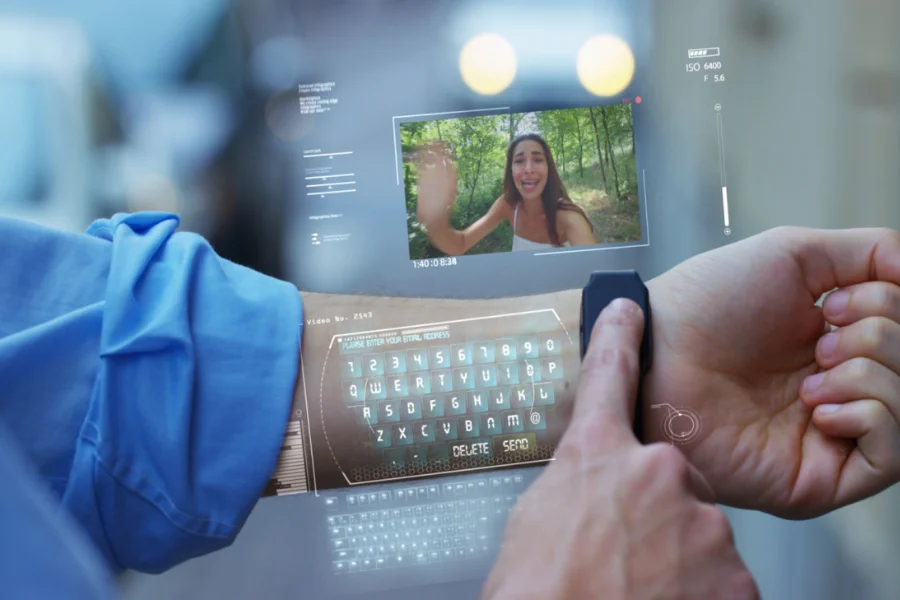
Wearable Tech | Aptuse
The world is rapidly changing, and technology is at the forefront of this transformation. With every passing day, new devices and gadgets are being introduced, making our lives easier, more efficient, and much more interconnected. From smart homes that can be controlled remotely to wearable tech that can track our every move, electronics are revolutionizing the way we live our daily lives. These devices are not only changing the way we interact with our surroundings but also how we communicate with one another. The advancements in technology are paving the way for a more connected and efficient world, and it’s exciting to see what the future holds for us. In this article, we’ll explore how electronics are transforming our lives and what we can expect from this ever-evolving industry. So, let’s dive in and see what the future holds for us!
Smart Homes and Home Automation
Smart homes are no longer a thing of the future. They are here, and they are revolutionizing the way we live. Home automation systems have been around for a while, but with the advancements in technology, they are becoming more accessible and affordable to the average homeowner. These systems allow you to control your home’s lighting, temperature, and security remotely, from your smartphone or tablet.
One of the significant benefits of home automation is convenience. You can control all the devices in your home with just a few taps on your smartphone. Say you’re on vacation and forgot to turn off the lights or lock the doors. With a smart home, you can quickly check and control them from your mobile device. Another advantage of home automation is energy efficiency. With a smart thermostat, you can program your HVAC system to turn off when you’re not home, saving money on your energy bills.
Smart homes are also becoming more intuitive. With the integration of artificial intelligence, your home can learn your preferences and adjust to your needs. For example, if you always turn down the lights at a certain time of day, your smart home can learn this and do it for you automatically. The possibilities for smart homes are endless, and we can expect to see more innovations in this area in the future.
Wearable Technology and Its Benefits
Wearable technology is no longer just a fashion statement. It has become an essential part of our daily lives, with devices like smartwatches and fitness trackers becoming more popular. These devices allow us to track our daily activities, monitor our health, and stay connected with the world around us.
One of the benefits of wearable technology is its ability to track our fitness. With a fitness tracker, you can monitor your steps, heart rate, and sleep patterns. This information can help you make healthier choices and improve your overall wellbeing. Wearable technology is also becoming more advanced, with devices like smartwatches offering features like GPS tracking and mobile payments.
Another benefit of wearable technology is its ability to keep us connected. With a smartwatch, you can receive notifications, make calls, and send messages without having to take out your phone. This can be especially helpful if you’re in a meeting or in a situation where you can’t use your phone.
Wearable technology is also becoming more fashionable, with companies like Apple and Samsung partnering with high-end fashion brands to create stylish and functional devices. The future of wearable technology is exciting, and we can expect to see more innovations in this area in the coming years.
Smart Devices in Healthcare
Smart devices are not only changing the way we live but also the way we take care of our health. With the advancements in technology, we are seeing more and more smart devices in the healthcare industry. These devices allow us to monitor our health and stay connected with our healthcare providers.
One of the significant benefits of smart devices in healthcare is their ability to track our vitals. With devices like blood pressure monitors and glucose meters, we can monitor our health more closely and make informed decisions about our care. Smart devices can also help us stay on track with our medications, with reminders and alerts to take our pills at the right time.
Smart devices are also changing the way we communicate with our healthcare providers. With telemedicine, we can have virtual appointments with our doctors, saving us time and money. This can be especially helpful for people who live in rural areas or have mobility issues.
The future of smart devices in healthcare is promising, with more innovations in the works. We can expect to see more devices that can monitor our health remotely and provide real-time feedback to our healthcare providers.
Smart Devices in Entertainment
Smart devices are not just practical, but they can also be fun. With the integration of smart technology, our entertainment systems are becoming more advanced and personalized. Smart devices like smart TVs and streaming devices allow us to access our favorite shows and movies with just a few clicks.
One of the benefits of smart entertainment systems is their ability to personalize our viewing experience. With algorithms that learn our preferences, we can get recommendations for shows and movies that we’re likely to enjoy. Smart devices can also help us keep track of our favorite shows, with reminders and alerts for new episodes.
Smart devices are also changing the way we play games. With virtual reality and augmented reality, we can immerse ourselves in new worlds and have a more interactive gaming experience. The future of smart devices in entertainment is promising, with more innovations in the works.
The Impact of Smart Devices on Daily Life
Smart devices are changing the way we live our daily lives. They are making our lives easier, more efficient, and more connected. With the integration of smart technology into our homes, wearables, healthcare, and entertainment systems, we are seeing a shift in the way we interact with our surroundings and with each other.
One of the significant impacts of smart devices is their ability to save us time. With automation and remote control, we can quickly accomplish tasks that would have taken us much longer in the past. Smart devices can also help us stay organized, with reminders and alerts for appointments and tasks.
Smart devices are also changing the way we communicate with each other. With instant messaging and video calls, we can stay connected with friends and family no matter where we are. This can be especially helpful for people who live far away from their loved ones.
However, there are also some negative impacts of smart devices. One of the main concerns is the potential for addiction. With the constant notifications and updates, it can be challenging to disconnect from our devices. Smart devices can also be a distraction, taking our attention away from the present moment.
Future of Smart Devices
The future of smart devices is exciting, with more innovations in the works. We can expect to see more advanced artificial intelligence, virtual reality, and augmented reality systems. Smart devices will become more personalized, with algorithms that learn our preferences and adjust to our needs.
The Internet of Things (IoT) will also play a significant role in the future of smart devices. With more devices becoming connected, we will see more integration and automation. Smart homes will become even more intuitive, with devices that can predict our needs and adjust to our preferences.
Ethical Considerations of Smart Devices
As with any new technology, there are ethical considerations to be made with smart devices. The collection and use of data are one of the main concerns. With devices that track our every move and collect our personal information, there is a risk that this information could be misused.
Another concern is the potential for job loss. With automation becoming more prevalent, there is a risk that some jobs will become obsolete. This could lead to a loss of income for many people.
Security Concerns with Smart Devices
Security is another concern with smart devices. With more devices becoming connected, there is a risk of cyber attacks and hacking. Smart homes, in particular, can be vulnerable to these types of attacks. It’s important to take measures to protect our devices from these threats, such as using strong passwords and keeping our devices up to date with the latest security patches.
Conclusion
Smart devices are changing the way we live our daily lives. From smart homes to wearable tech, these devices are becoming more prevalent and more advanced. They are making our lives easier, more efficient, and more connected. However, there are also some concerns to be addressed, such as ethical considerations and security. As we move forward, it’s important to keep these concerns in mind and take measures to ensure that smart devices continue to benefit us in a positive way.