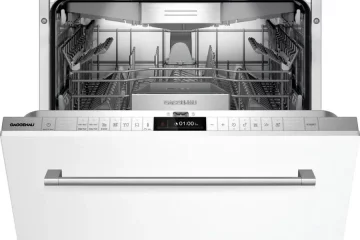
The Ultimate Guide to Choosing the Best Home Appliances for Your Needs
Home Appliances | aptuse
Choosing the right home appliances can have a significant impact on your daily life. Whether it’s a refrigerator that keeps your food fresh, a washing machine that saves you time and effort, or an air conditioner that cools your home on hot summer days, having the right appliances is essential. However, with so many options available, it can be challenging to know where to start. That’s why we’ve put together this ultimate guide to help you choose the best home appliances for your needs.
Understanding your needs
The first step in choosing the right home appliances is to assess your lifestyle and home. Think about your daily routine and the tasks you perform regularly. Consider your family size and the type of home you live in. For example, if you have a large family, a refrigerator with a bigger capacity might be more suitable. If you live in a small apartment, a compact washing machine might be a better choice.
It’s also essential to consider your personal preferences and habits. Do you cook frequently, or do you prefer to eat out? Do you have pets that shed a lot of hair, or are you allergic to dust? These factors can help you narrow down your options and choose appliances that are suited to your specific needs.
When assessing your needs, it’s also crucial to think about the long-term. While it may be tempting to opt for the cheapest option, investing in high-quality appliances can save you money in the long run. Not only will they last longer, but they’re also less likely to break down and require costly repairs.
Budget considerations
Once you’ve assessed your needs, the next step is to consider your budget. While it’s essential to find appliances that meet your requirements, it’s also important to find a balance between cost and quality. It’s worth remembering that the cheapest option isn’t always the best value for money.
When setting your budget, it’s important to consider the long-term costs of owning an appliance. For example, a more energy-efficient refrigerator might cost more upfront, but it will save you money on your electricity bill over time. Similarly, a high-quality washing machine might require a higher initial investment, but it will save you money on repairs and replacements in the future.
It’s also helpful to research different brands and models to get an idea of the price range for the type of appliance you need. This can help you set a realistic budget and avoid overspending.
Energy efficiency
Energy efficiency is an essential factor to consider when choosing home appliances. Not only does it save you money on your utility bills, but it also reduces your environmental impact. When shopping for appliances, look for energy-efficient models with a high Energy Star rating.
Refrigerators, washing machines, and dishwashers are among the most energy-intensive appliances in the home. When choosing these appliances, look for models with features like inverter compressors, which use less energy and produce less noise. Similarly, front-loading washing machines are generally more energy efficient than top-loading models.
It’s also helpful to consider your usage patterns when choosing energy-efficient appliances. For example, if you only use a dishwasher a few times a week, a smaller model might be more energy-efficient than a larger one that you only partially fill.
Brand reputation and reviews
When choosing home appliances, it’s important to consider the reputation of the brand and the reviews of the specific model you’re interested in. Look for brands that have a reputation for quality and reliability. You can find reviews and ratings online from other consumers who have purchased the same model you’re considering.
It’s also worth considering the availability of replacement parts and customer service for the brand you’re interested in. If something goes wrong with your appliance, you want to be confident that you can easily find replacement parts and get the support you need.
Features and functions
Appliances come with a wide range of features and functions, and it’s essential to identify which ones are must-haves and which are nice-to-haves. For example, a refrigerator with a built-in water dispenser might be a must-have for some, but not essential for others. Similarly, a washing machine with a steam function might be a nice-to-have for some, but not necessary for everyone.
When choosing appliances, think about the features and functions that will make your life easier and more convenient. For example, a dishwasher with a delay start function can help you save energy and water by running during off-peak hours. Similarly, a vacuum cleaner with a HEPA filter can help reduce allergies and improve indoor air quality.
It’s also important to consider the ease of use and maintenance of the features and functions. Some features might be more complicated to use or require more maintenance, which can add to the overall cost of owning the appliance.
Size and capacity
Size and capacity are important factors to consider when choosing home appliances. It’s essential to choose appliances that fit your space and usage requirements. For example, a refrigerator that’s too small for your family’s needs will require more frequent grocery trips, while a washing machine that’s too big for your needs will waste water and energy.
When choosing appliances, measure the space where you plan to install them and ensure that they will fit comfortably. Also, consider the capacity of the appliance and whether it’s suitable for your usage patterns. For example, a larger capacity dryer might be necessary for a family that does a lot of laundry, but not for a single person.
Maintenance and repair
Maintenance and repair are important factors to consider when choosing home appliances. While high-quality appliances are less likely to break down, it’s essential to consider the long-term costs of owning an appliance. Look for models with a good warranty and easy access to replacement parts.
It’s also important to consider the cost of repairs and maintenance. Some brands and models might be more expensive to repair or require more maintenance than others. It’s worth doing some research to find out how much it costs to maintain and repair the appliances you’re considering.
Smart home integration
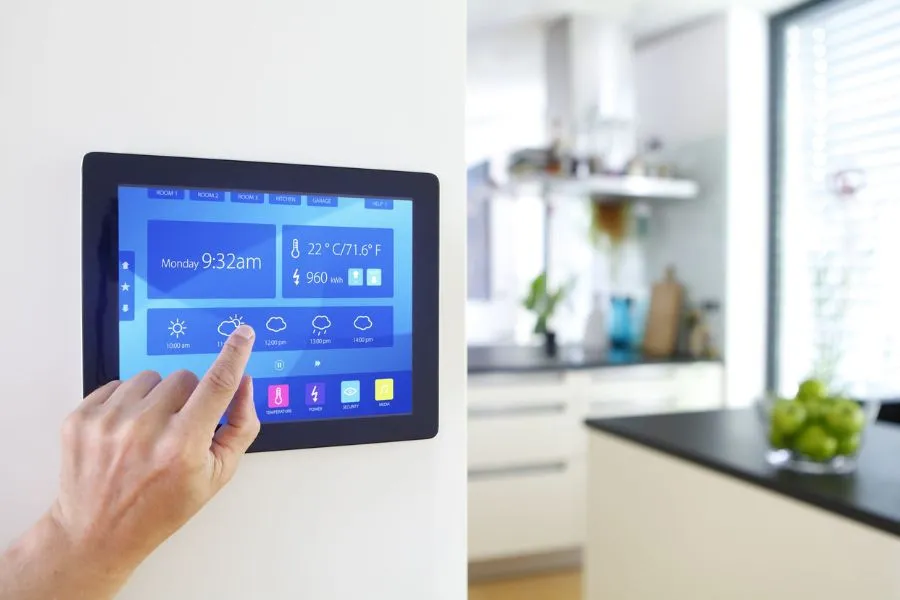
Smart home integration is an emerging trend in home appliances, and it’s worth considering when choosing appliances. Smart home appliances can be controlled remotely using a smartphone or voice assistant, making them more convenient and energy-efficient.
When choosing smart home appliances, look for models that are compatible with your existing smart home ecosystem. For example, if you use Amazon Alexa, look for appliances that are compatible with Alexa. It’s also important to consider the security and privacy implications of using smart home appliances.
Shopping and purchasing
When shopping for home appliances, there are several options available, including online retailers, brick-and-mortar stores, and specialty appliance stores. Each option has its pros and cons, and it’s worth considering which one is best suited to your needs.
When purchasing appliances, it’s important to read the fine print and understand the warranty and return policies. It’s also helpful to negotiate the price and ask for any discounts or promotions that might be available.
Conclusion
Choosing the best home appliances for your needs can be a daunting task, but by following this ultimate guide, you can make informed decisions that will improve your daily life and enhance your home’s functionality. Remember to assess your needs, consider your budget, prioritize energy efficiency, research brands and models, identify must-have features, choose the right size and capacity, consider long-term costs, explore smart home integration, and shop wisely. By doing so, you can find the perfect appliances for your home and enjoy the benefits for years to come.